Art
Pupil Voice


Teaching the arts provides pupils with transferable skills that can boost overall academic achievement. I believe it is valuable to teach the arts as important subjects on their own but links into many other curriculum areas can be made which helps to add interest and variety to topic work. Pupils could produce prints when learning about rocks and fossils for example, create work inspired by David Hockney when studying local landscape features or learn more about different countries of the world when mastering different styles of dance. High quality arts education offers a broad and balanced curriculum for all pupils.
The arts curriculum provides children with many convertible skills such as critical thinking, understanding and respecting different cultures, thinking in depth, understanding how to make and learn from mistakes and emotional literacy. I personally believe that the arts should not be seen as an ‘extra-curricular activity’ but should form an essential part of a creative school ethos. When children are given time to draw and doodle, they develop their imagination and language skills by sharing ideas with each other. I have watched children become completely absorbed in drawing and painting, creating work that is completely unique to them. Art is a fantastic way for children to express themselves and to learn to value their uniqueness.
The arts curriculum provides children with a creative outlet to explore and express their emotions. It can help to build resilience and develop social skills. For many children the arts can be a creative outlet for releasing feelings of pressure or stress of everyday life. Drawing, pattern making and creating can be a calming activity which children are in complete control of.
Displays, exhibitions and performances can be a huge boost for children’s confidence and self-esteem, raising aspirations throughout the whole school. Art displays often show the processes of thinking, planning, experimenting and learning rather than always a final product which helps children to realise the importance of resilience and process over product
The arts form a vibrant, creative industry which is central to our economy. An arts-rich education is crucial to the on-going success of creative business and entrepreneurs.
Creative industries are at less risk of automation and employers often seek candidates who are resilient, enthusiastic and creative. An education that combines the arts with science, technology, engineering and maths prepares our young people for creative industries which require both artistic and scientific skills.
The Art Curriculum Intention
A creative subject which engages inspires and challenges pupils, equipping them with skills and knowledge and skills to experiment invent and create their own works of art, craft and design.
Pupils should:
- Produce creative work, exploring their ideas and recording their experiences
- Become proficient in drawing, painting, sculpture and other art, craft and design techniques
- Evaluate and analyse creative works using the language of art, craft and design
- Know about great artists, craft makers and designers, and understand the historical and cultural development of their art forms.
- At St Joseph’s art is taught within topics and teachers use a skills progression to ensure techniques being mastered are developmental
- We engage in local art events such as displaying art locally
- We encourage art gallery visits and visiting artists
- We make links with RE by exploring religious art and its symbolism
Art Journey
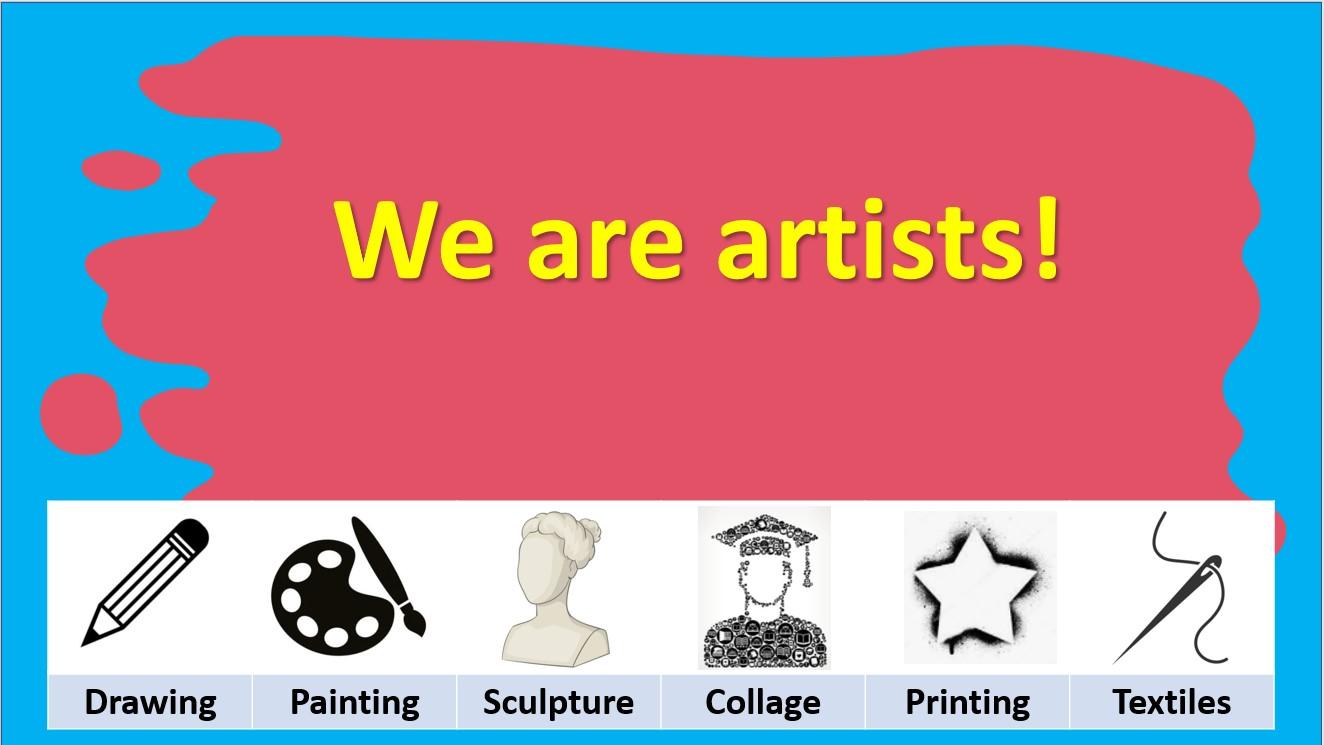
During Art lessons, pupils have experience of using six key art techniques.
These are:
- Drawing
- Painting
- Sculpture
- Collage
- Printing
- Textiles
Each technique is covered at least once during each phase.
Each topic covered will often follow the same structure:
- Analysis - Pupils will analyse an artist or art technique, making comparisons to other artists, asking questions, offering opinions and developing art related vocabulary.
- Practise - Pupils will practise art skills related to the topic. At this time, the age appropriate skills from the Art Skills Map will be shared with the pupils.
- Emulation - Pupils will try to copy as accurately as possibly a piece of artwork by an other artist.
- Creation - Pupils will create their own artwork inspired by the artist they have studied.
Exemplification
To ensure a clear progression of art skills, class teachers collect examples of art which match the coloured skills from the Art skills map. This is an ongoing process. Below are some exemplars for art analysis and art techniques.
art


Art Day
Each year, the school holds a whole-school Art day. At this time, all classes focus on the same skill. This allows us to see a whole school progression for that skill and devote an extended period of time to practising the relevant techniques.
Each class has a chosen artist to study and the days follows this structure:
- Analysis - Pupils analyse art by their given artist, expressing opinions and giving reasons for these.
- Emulation - Pupils attempt to copy as closely as possible a work by their chosen artist.
- Creation - Pupils create a piece of work inspired by, and in the style of, their chosen artist.
Skills
2022 - Painting ( This was our first whole school art day).
2023 - Drawing
Class 2 Art Day
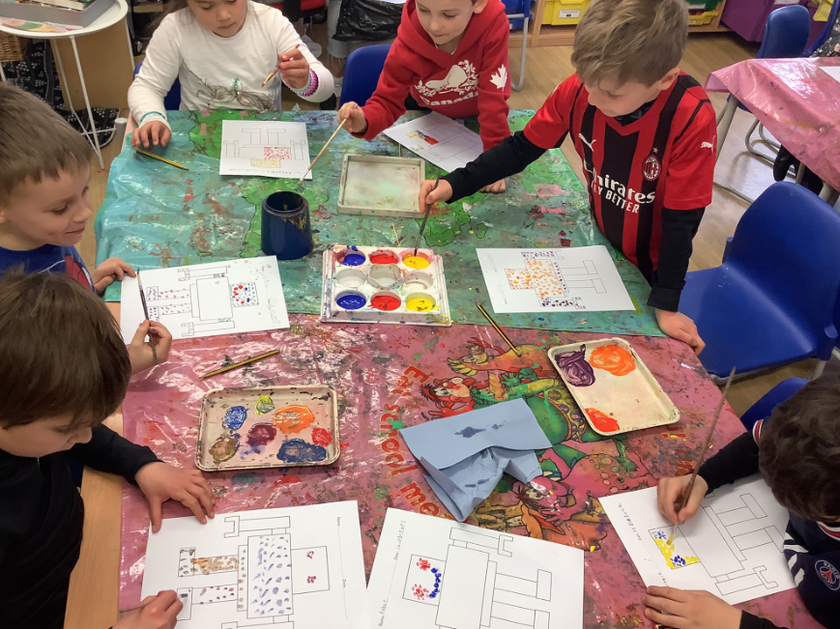
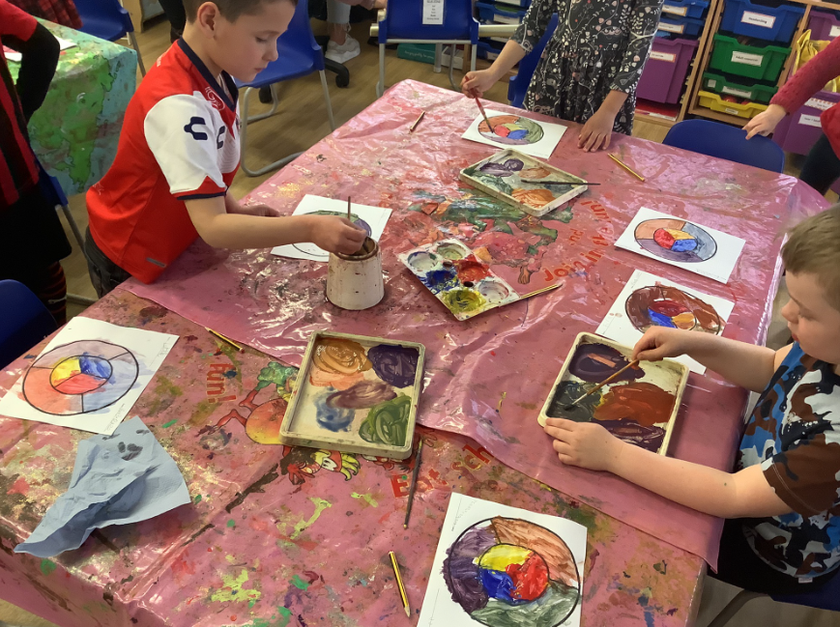
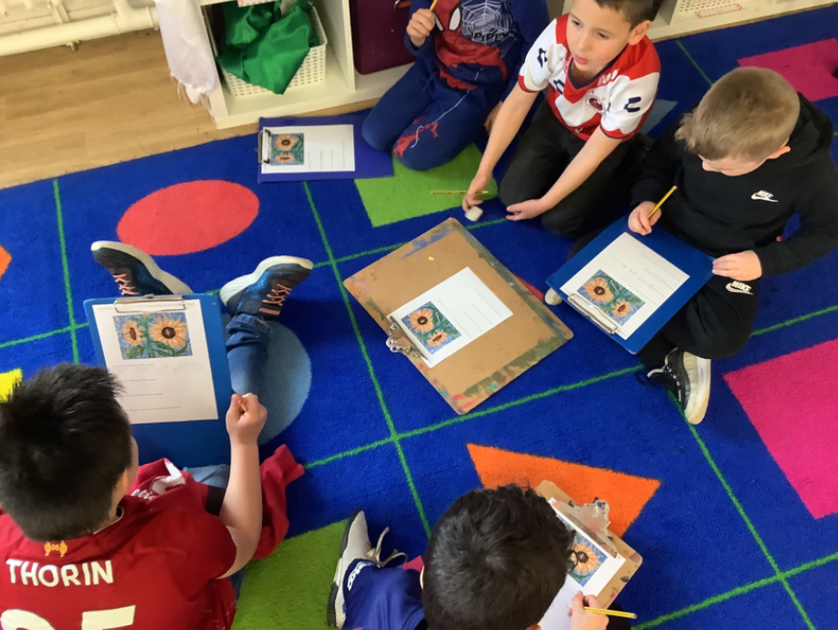
In Class 2, we learnt about George Seurat and his painting technique, Pointillism. We also used a colour wheel to mix the primary colours to make new colours. We used colour mixing throughout the day to create our own Pointillism artwork.
Class 3 Art Day
Class 3 studied the artist Pablo Picasso, focusing on his blue period. The class practised mixing colours more precisely, creating hue maps for the colour blue before creating their own Picasso themed artwork.
Class 4
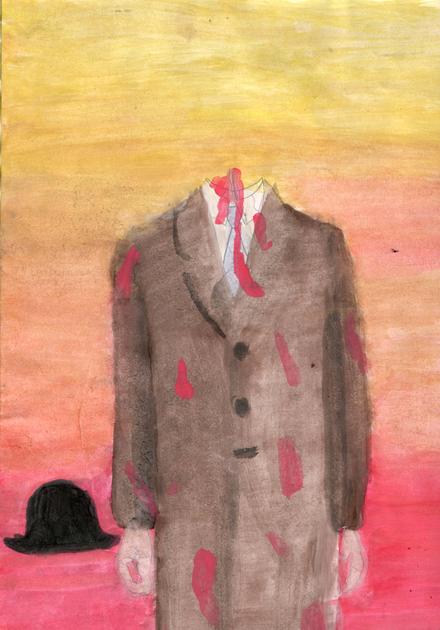
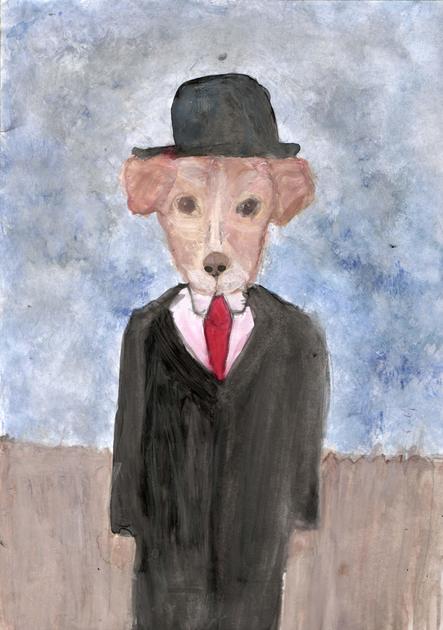
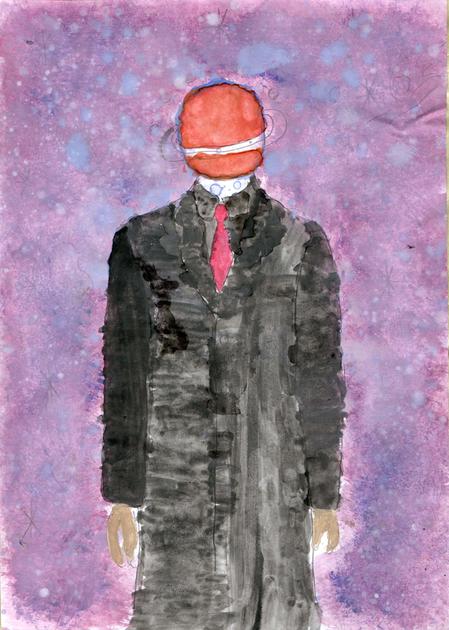
In Art 4, we studied the artist René Magritte. We compared his art to paintings by some of his contemporaries. We also learnt about his life and how events in his past may have influenced his art. Following our analysis, we practised different painting techniques. This enabled us to create better emulations of Magritte's famous painting, "The Son of Man". Finally, we created our own paintings inspired by Magritte.